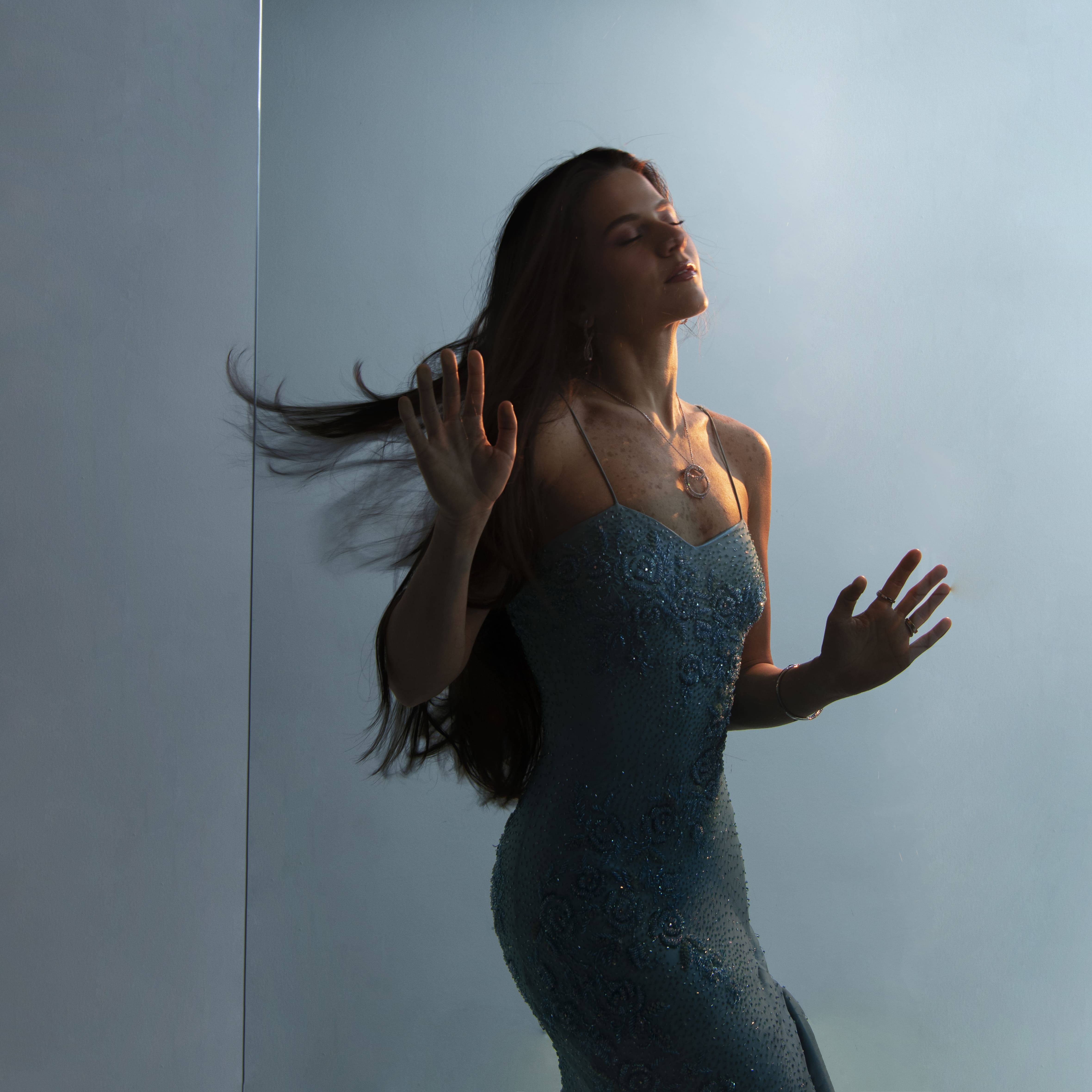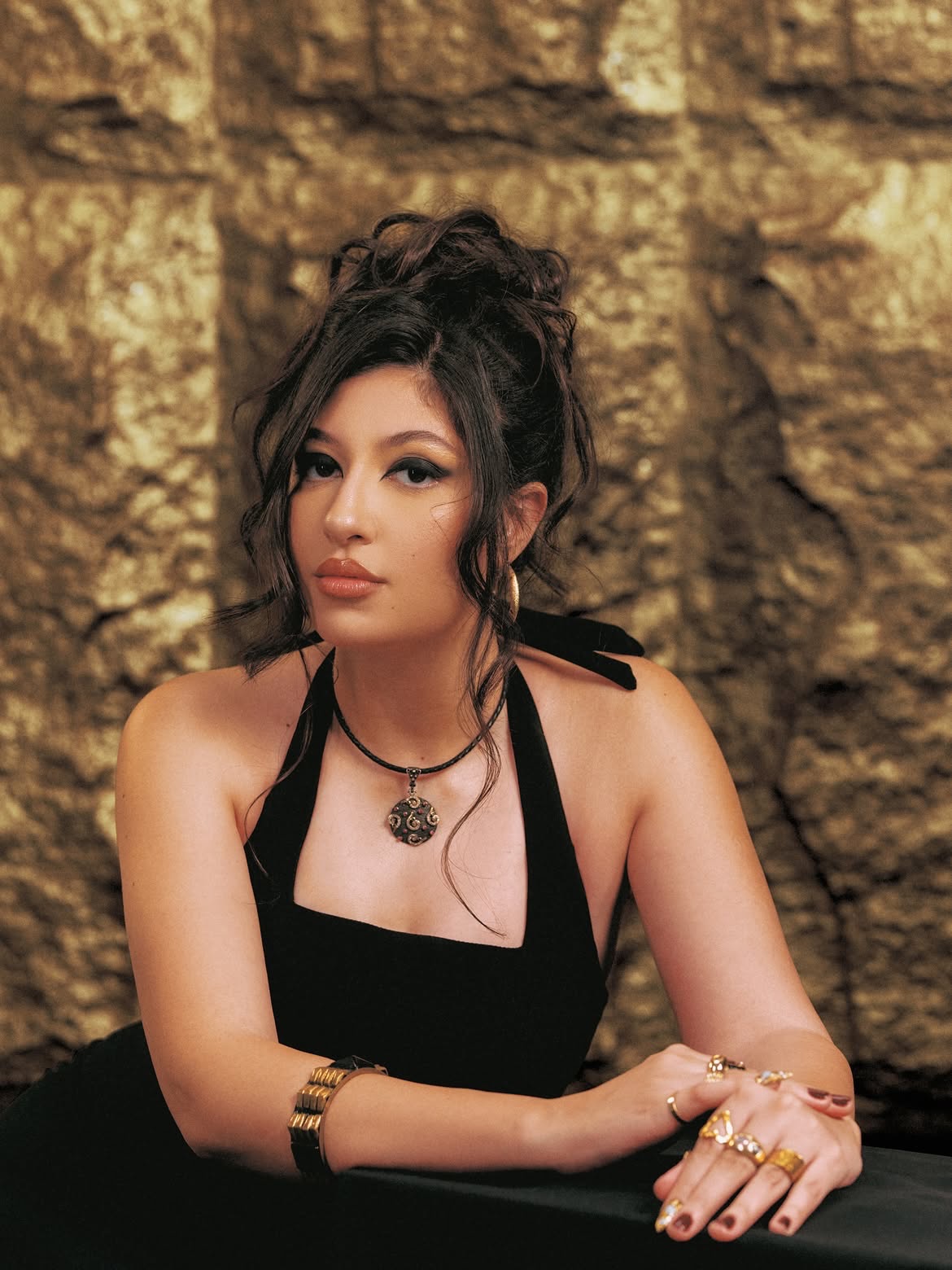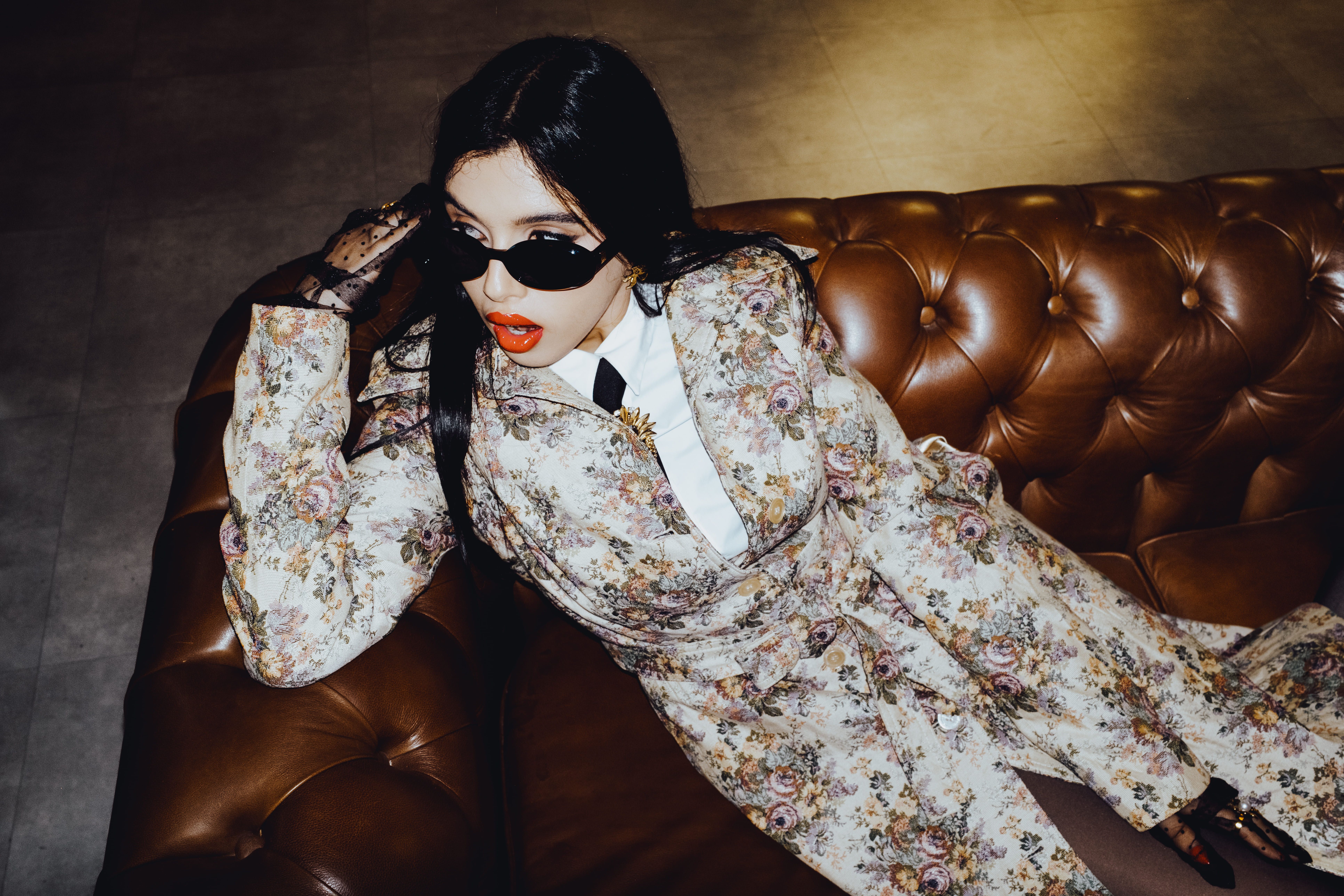
There is a particular moment in every failed relationship when the heartbreak gives way to clarity. When the excuses stop making sense, the apologies lose their effect, and the person who once kept giving second chances finally decides they have had enough. Moroccan artist Assia captures precisely that moment in “Keddab”, her latest release, turning a familiar relationship dynamic into a sharp, witty and distinctly personal musical statement.
Built around a jazzy production by Figoshin, “Keddab” follows a woman who has reached the end of her patience. He lied, she forgave, he came back, and this time she is no longer interested. At the heart of the song is the unapologetic line: “Machi mok ou khtek anaya bach nsber 3lik bezayd”, I'm neither your mother nor your sister to keep putting up with you. It is a refusal to continue carrying the emotional responsibility of someone else's behaviour, delivered with the kind of irony and conversational sharpness that make Assia's writing so recognizable.
But “Keddab” is not simply a song about calling someone out. It is equally an exercise in self-reflection: an acknowledgment of how much was forgiven, how many boundaries were crossed and how often the same cycle was allowed to begin again. There is frustration, humour and hurt, but above all, there is the clarity that comes after having seen enough. By the time Assia calls him a liar, she is no longer looking for explanations.
The accompanying music video takes this emotional cycle somewhere considerably stranger. Rather than illustrating the breakup literally, it translates its psychological dimensions into a succession of rooms, each representing a different emotional state and another version of Assia. Moving from one space to another, she appears to be progressing, only to find herself caught in another variation of the same situation. The architecture becomes a metaphor for the repetitive nature of emotional entrapment: a different room, but always the same house.
The visual also plays with the familiar stereotype of the “crazy woman” after a breakup. In one particularly theatrical sequence, a strange doctor attempts to restrain Assia on a hospital bed, turning psychiatric imagery into an unsettling, almost absurd performance. The scene reverses the question: who has actually lost their mind, the woman reacting to what she has repeatedly endured, or the situation that kept expecting her to tolerate it?
Elsewhere, blood appears on the drums, without the video ever offering a definitive explanation. Perhaps someone has been killed. Or perhaps something more significant has come to an end: the version of Assia who would have taken him back.
This interplay between emotional recognition and visual strangeness is central to understanding Assia's artistic approach. Her work brings together songwriting, production, imagery and performance as different expressions of the same creative language. She is not an artist defined by a sound she repeatedly reproduces, but by a sensibility that remains recognizable across different propositions: intimate, observant, feminine without conventional softness, and attentive to the unexpected details that make an experience feel real.
Her writing, in particular, finds distinctive language for situations people already know. Rather than relying on familiar declarations of heartbreak, Assia observes the behaviours, contradictions and small moments that make relationships complicated. Her conversational delivery makes these observations feel less like grand statements and more like thoughts shared directly with the listener. Her stories are specific; their emotional resonance is anything but.
The same precision carries into her visual world, where beauty often sits alongside something unsettling, and where images do more than accompany the music: they expand its meaning. With every release, Assia reveals another part of her artistic personality without giving the entire picture away.
With “Keddab”, she offers one of her clearest expressions of that vision yet. The result is more than a breakup song accompanied by an ambitious music video. It is a cohesive artistic proposition that invites audiences to look beyond a single release and become curious about the artist behind it.
Because ultimately, Assia is not asking to be recognized for fitting into a particular genre or aesthetic. She is building something that can only be recognized as hers.
You don't listen to Assia for a genre. You listen to Assia for Assia.