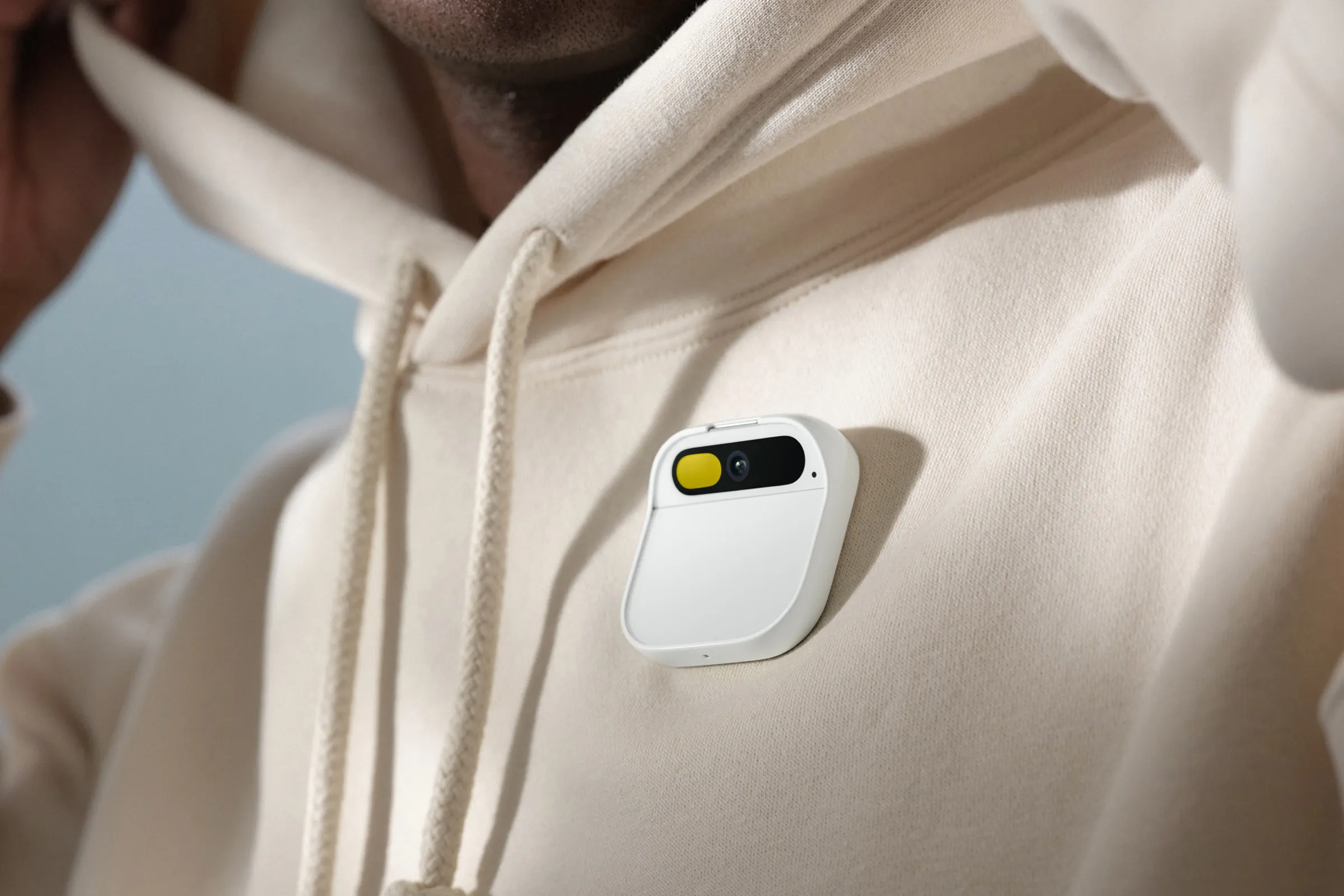
For over a decade, the smartphone has been the center of modern life. But something is shifting—and it's happening quietly.
The smartphone is no longer evolving in ways that feel meaningful. Each new release brings incremental upgrades, but no real transformation. At the same time, a new category of technology is emerging, one that doesn't ask for our attention in the same way. We are entering what can only be described as the post-smartphone era. This doesn't mean phones are disappearing overnight. It means they are slowly losing their role as the primary interface between humans and technology. In their place, we are seeing the rise of ambient computing, devices that exist around us, not in our hands. Smart glasses, AI-powered wearables, and voice-first assistants are leading this transition. Instead of pulling out a device, we speak. Instead of looking down, we look forward. Technology becomes less visible, but more present. The shift is subtle, but culturally significant. For years, society adapted itself to the smartphone. We lowered our gaze, shortened our attention spans, and accepted constant notifications as normal. Entire social behaviors were built around the act of checking a screen. Now, that behavior is starting to feel outdated. There is a growing fatigue around screens, an unspoken awareness that constant scrolling no longer delivers the same satisfaction. In response, people are beginning to seek frictionless, less intrusive ways to interact with technology. This is where the post-smartphone world takes shape. Instead of demanding focus, technology begins to blend into the background. It listens, anticipates, and responds without requiring deliberate input. The experience becomes more natural, almost invisible. And that changes more than just how we use devices, it changes how we live. Conversations are less interrupted. Environments feel more present. The boundary between online and offline starts to dissolve, not because we are more connected, but because connection itself becomes seamless. There is also a deeper cultural shift at play. For the first time in years, innovation is moving away from screens. The goal is no longer to capture attention, but to reduce the need for it. This marks a significant departure from the attention economy that defined the smartphone era. It suggests a future where technology supports life without dominating it. Of course, this transition raises new questions. What happens when devices are always listening? How much control do we really have when technology becomes invisible? And perhaps most importantly, are we ready to give up the sense of control that comes with holding a screen in our hands? The post-smartphone era is not about abandoning technology. It is about redefining our relationship with it. And like most cultural shifts, it won't arrive with a clear beginning or a dramatic announcement. It will happen gradually, through habits, preferences, and small changes in behavior—until one day, the idea of constantly looking down at a screen feels like something from the past. Not obsolete. Just… outdated.