Tetouan Mediterranean Film Festival 2026: Tunisian Film Exil Takes the Grand Prix | Mainstage
Tetouan Mediterranean Film Festival 2026: Tunisian Film Exil Takes the Grand Prix
12/10/2026
The 31st edition of the Tetouan Mediterranean Film Festival wrapped up on October 10, 2026, bringing eight days of Mediterranean cinema to northern Morocco. Held from October 3 to 10, the festival showcased films from across the region while creating space for cultural exchange, industry discussions and emerging cinematic voices.
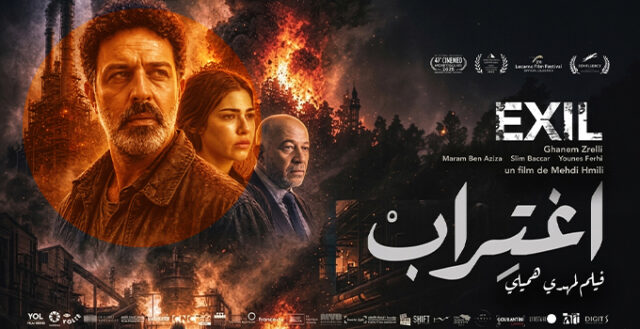
The closing ceremony celebrated this year’s competition winners, with Tunisian filmmaker Mehdi Hmili’s Exil (Ightirab) taking home the festival’s Grand Prix Tamouda. The awards also highlighted Moroccan talent, with performances in Mira earning recognition in the acting categories.
Exil takes the Grand Prix Tamouda Through its screenings, workshops and industry discussions, the Tetouannisian film explores the realities of industrial labor, power and justice through the story of a worker seeking answers and revenge following the mysterious death of a friend. The film also received the Mustapha Mesnaoui Critics’ Prize, securing two distinctions at this year’s festival.
Other awards recognized a diverse selection of Mediterranean filmmaking. French director Christophe Dimitri Reveille received the Mohamed Reggab Special Jury Prize for Les Survivants du Che, while Italian filmmaker Margherita Spampinato won the Azzedine Meddour First Film Award for Ô mon cœur. Moroccan cinema also took the spotlight through Mira, directed by Nour-Eddine Lakhmari. Omar Lotfi received the Best Actor award, while Safaa Khatimi was recognized as Best Actress for her performance in the film.
The jury also awarded special mentions to Nicolas Wadimoff’s Qui vit encore and Souillée, directed by Spanish filmmakers Bàrbara Mestanza and Marc Pujolar. Ten films, one Mediterranean conversation The official feature-film competition brought together ten films representing different countries and cinematic traditions across the Mediterranean. The selection included works from Morocco, Spain, Italy, Portugal, Türkiye, Tunisia, France and Palestine, alongside international co-productions. Beyond the main competition, the festival presented its Coups de cœur selection, featuring six additional films that expanded the programme’s cinematic perspectives. Screenings took place across several venues in Tétouan, including the Cinéma Espagnol, Cinéma Avenida and the French Cultural Centre. Outdoor projections at Place Al Feddan and screenings at the city’s civil prison also extended the programme beyond traditional cinema spaces, bringing films to different audiences throughout the city. The programme reflected the festival’s commitment to making cinema accessible while creating opportunities for audiences to engage with stories and perspectives from across the Mediterranean. Beyond the screen: supporting the next generation The Tetouan Mediterranean Film Festival also continued to invest in the professional development of emerging filmmakers through the fourth edition of the Ateliers de Tétouan. The workshops focused on script development, pitching and professional meetings, connecting emerging projects with producers and distributors from both sides of the Mediterranean. These initiatives highlighted the importance of creating opportunities for new voices to develop their projects and navigate the film industry. The festival’s accompanying colloquia addressed the economics of Mediterranean cinema and the challenges surrounding how films reach and connect with audiences. Discussions brought attention to the structures shaping the industry, from financing and production to distribution and audience engagement. Cooperation between Morocco and Italy was another important dimension of the programme, developed through the partnership involving Tétouan and Matera, Mediterranean Capitals of Culture and Dialogue in 2026. The initiative created further opportunities for professional exchange and cultural collaboration. Tétouan continues to champion Mediterranean cinema Founded in 1985 by the Association of Friends of Cinema of Tétouan, the festival has spent decades building a platform dedicated to the cinematic cultures of the Mediterranean. Its 31st edition continued that mission by bringing filmmakers, industry professionals and audiences together around stories that cross geographical and cultural boundaries. With Exil taking the Grand Prix Tamouda and Mira earning acting honors for Omar Lotfi and Safaa Khatimi, this year’s awards highlighted both the diversity of the international selection and the presence of Moroccan talent within the regional film landscape. As the festival concludes another edition, its contribution extends beyond the awards themselves. Through its screenings, workshops and industry discussions, the Tetouan Mediterranean Film Festival continues to provide a meeting point for discovering new films, exchanging ideas and supporting the future of Mediterranean cinema.
AAAEXPO Morocco 2026 Brings Africa’s Entertainment and Attractions Industry to Rabat
Rabat will host the first edition of Africa Amusement & Attractions Expo from October 21 to 23, 2026, bringing together international companies, investors and industry professionals to explore new technologies, business opportunities and the future of entertainment across Africa.
Academy Award-winning French actor Marion Cotillard takes the role of jury president for the 23rd edition of the Marrakech International Film Festival. Under her guidance, the jury will determine the winner of the Festival’s Étoile d’Or from among the first and second feature films selected for this year’s international competition.
Integrated Systems Europe (ISE) returns to Barcelona from February 2 to 5, 2027, bringing together professionals across audiovisual technology, systems integration, broadcast, live events and emerging tech. With registration now open, the event offers an opportunity to discover new technologies, exchange ideas and build connections across an increasingly interconnected industry.