There was a time when space photography belonged exclusively to highly specialized equipment, machines engineered with precision, far removed from anything the public could relate to. Today, that line is beginning to blur.
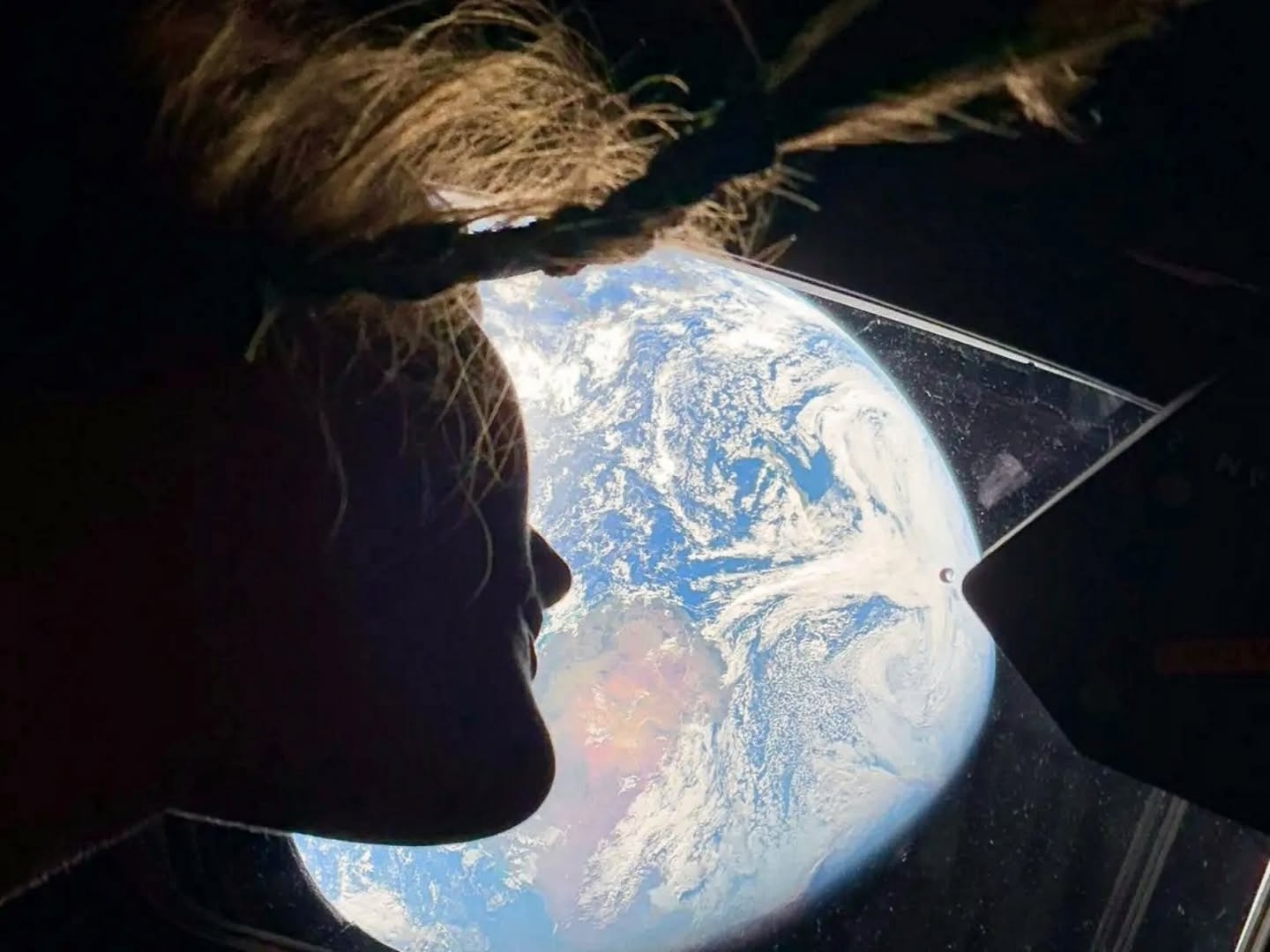
During the Artemis II mission, astronauts aboard the Orion capsule captured images not with traditional space-grade cameras, but with something far more familiar: an iPhone 17 Pro Max. NASA later confirmed this detail in response to a curious internet user, marking a subtle but meaningful shift in how space missions intersect with everyday technology. This is more than just a technical anecdote, it is a cultural moment. For decades, space exploration has symbolized the pinnacle of human achievement, distant, complex, and often inaccessible to the average person. But the introduction of personal devices like smartphones into that environment changes the narrative. It brings space closer, not in distance, but in perception. An iPhone is not just a tool; it is one of the most recognizable objects of our time. It represents how we communicate, document, and share our lives. Seeing it used in orbit reframes space not as an abstract frontier, but as an extension of our lived reality. There is also something quietly powerful about the idea that astronauts, figures once perceived as almost mythical, are now allowed to carry personal items. It humanizes them. It reminds us that beyond the suits and the science, they are individuals shaped by the same digital culture as the rest of us. More importantly, it changes how stories from space are told. Images captured on a smartphone carry a different aesthetic. They feel immediate, spontaneous, almost intimate. They resemble the kind of photos we take every day—except the view is Earth itself, suspended in the vastness of space. This contrast creates a new kind of visual language: one that merges the extraordinary with the familiar. In a way, this shift reflects a broader cultural evolution. Technology is no longer just a tool for exploration; it is a bridge between worlds. The same device used to capture a sunset or a moment with friends can now document humanity's journey beyond Earth. That matters. Because culture is not only defined by art or tradition, it is shaped by the tools we use, the stories we tell, and the way we see ourselves in the world. And today, even in space, those stories are increasingly told through the lens of everyday life. The Artemis II mission may be a step forward in space exploration. But culturally, it is also a reminder: the future doesn't always arrive with unfamiliar forms. Sometimes, it looks exactly like what we already hold in our hands.