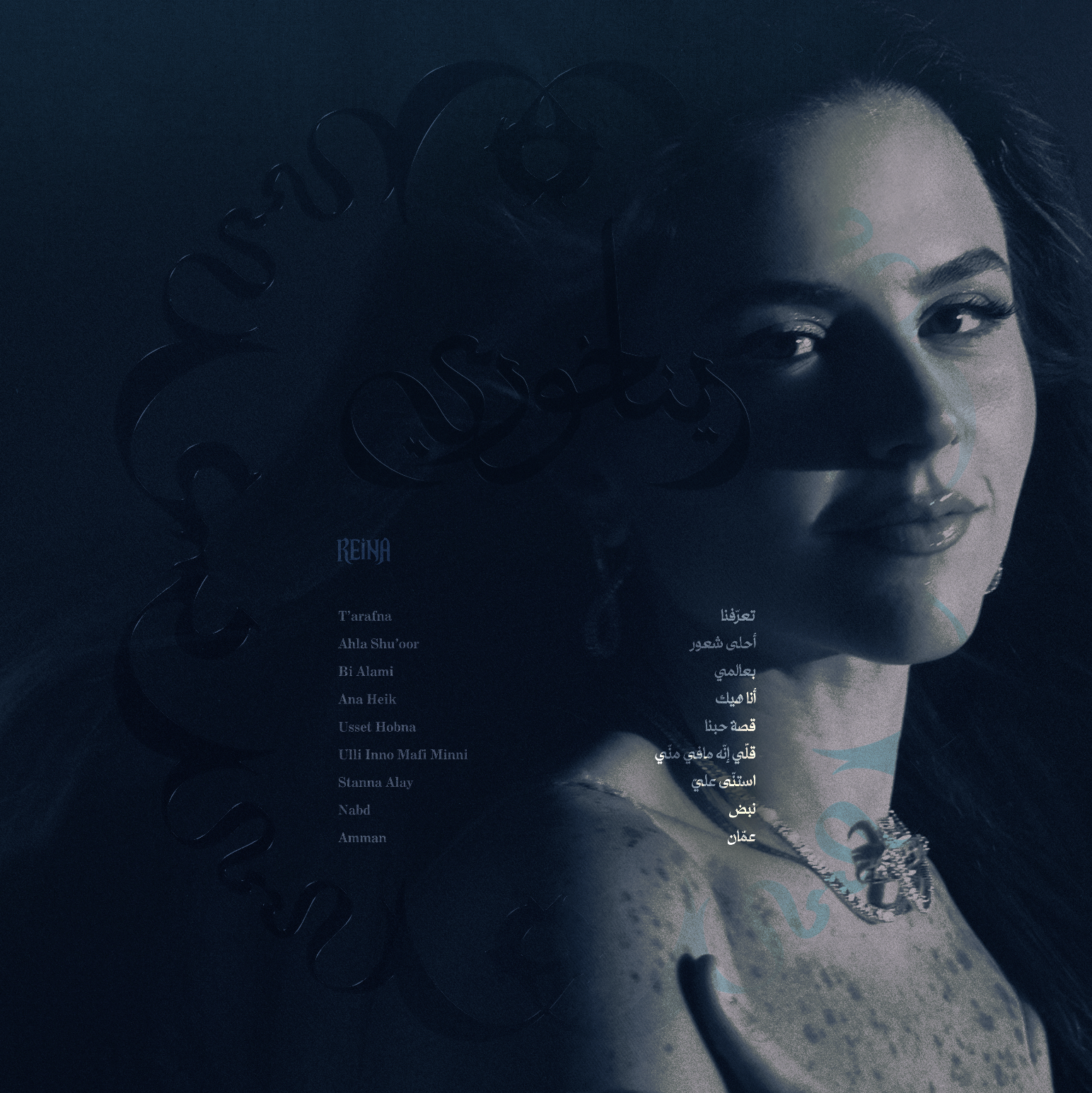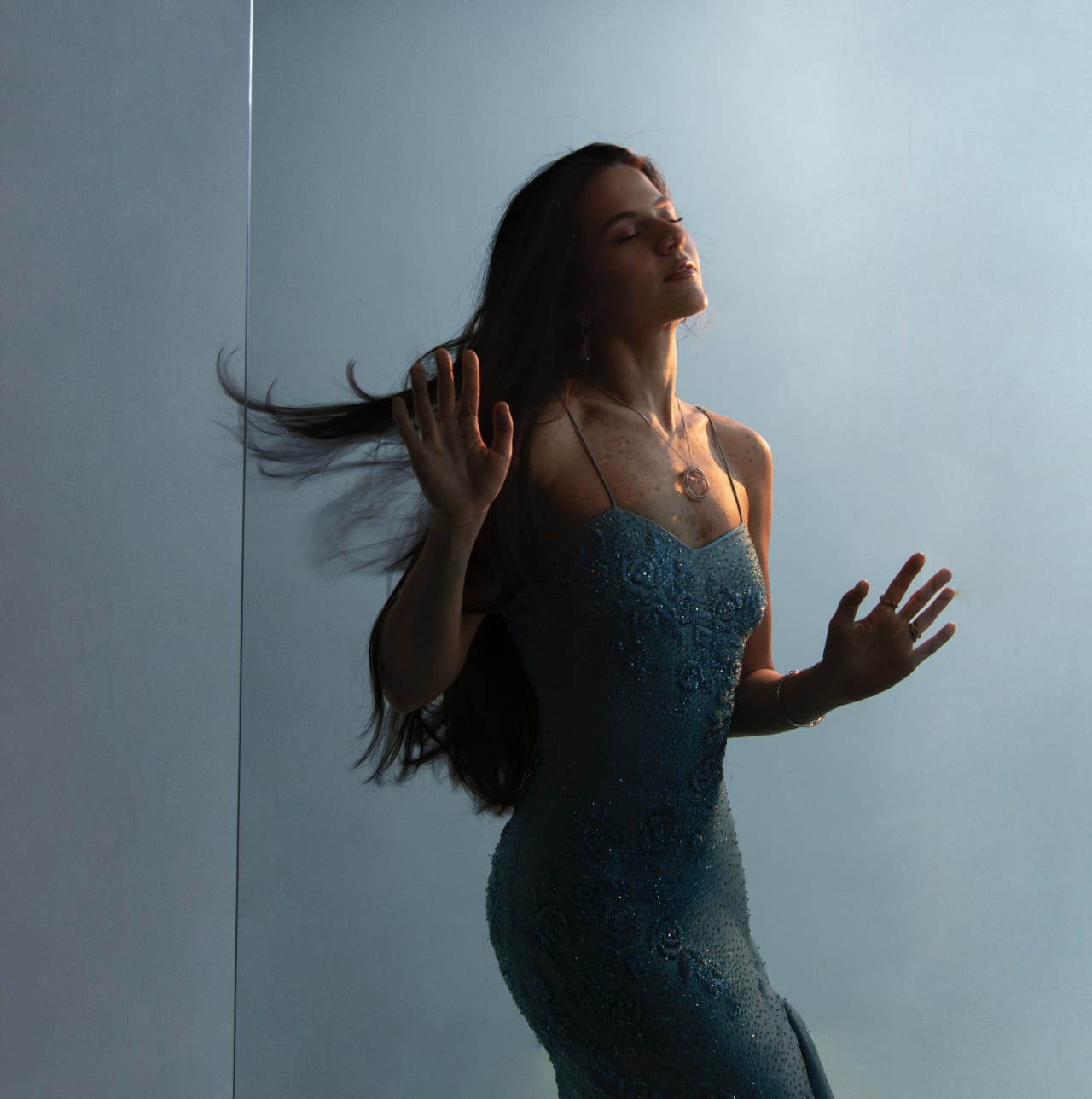
After spending two years shaping the sound and identity of her debut, Reina Khoury has reached a new chapter in her musical journey with the release of REINA. More than an introduction to her artistry, the self-titled album offers an intimate look into the experiences, emotions and personal transformations that have shaped her. With motherhood at its core, the project moves between vulnerability and confidence, celebrating the different facets of being a woman.
In an exclusive interview with Mainstage, the Jordanian singer takes us behind the creative process of REINA, discussing the personal experiences that inspired its most vulnerable moments, the meaning behind its focus track "Ana Heik" and the message she hopes women take away from the album.
For Reina Khoury, releasing her debut album was never about waiting for the perfect moment. After spending two years exploring the sound and direction she wanted, she eventually realised that there might not be a universally right time to take that step. "To be honest, I came to terms with the fact that there is no 'right time'. I released it now because it just felt right after having explored exactly how I'd want it to sound for two years," she explains. More than simply introducing new music, REINA represents an artistic identity she feels ready to share with the world, a project that is "true to who I am as an artist both sonically and visually."
At the centre of that identity is motherhood, an experience that influenced the album's creative direction and shaped much of its emotional landscape. This connection is present from the very beginning, with the record opening on a poem Reina originally wrote outside the album's production process. Reflecting on how she felt about motherhood at the time, the poem came naturally, without initially being intended for a musical project. However, as the album developed, she realised it belonged there.
"This poem was not written to be part of the album, but choosing it to be there was so intentional," she shares. "I got this creative urge to write a poem about how I was feeling about motherhood at the time and this poem came about. I had to include it in the album because the umbrella topic of the album is about motherhood and how it shaped me so it only made sense for it set the tone and open the album there."
That willingness to explore motherhood also meant opening up about some of the more difficult emotions surrounding it. One of the most personal examples is "Ulli Inno Mafi Minni", a track that explores the vulnerability of wanting reassurance from the people closest to you. Despite being the first song she wrote for the album, it was the last one she managed to finish, largely because of how difficult it was to express those feelings so honestly.
"Definitely the vulnerability of wanting reassurance from the people closest to you, the topic I speak about in 'Ulli Inno Mafi Minni'," she says when asked which part of herself was hardest to open up about. "It was the first song I wrote but the last to finish because it wasn't easy being so honest, but I'm so glad I created it and didn't hold back because it's an essential part of the album and about the topic of motherhood which shaped a huge part of the album."
The track also stands out when Reina reflects on the most personal moment of the record. While she considers every song personal in its own way, she identifies "Ulli Inno Mafi Minni" as perhaps the most vulnerable, making it an important piece of the story she wanted to tell through REINA.
But the album doesn't remain in vulnerability alone. Alongside its more intimate moments, it also celebrates confidence, individuality and the freedom to embrace who you are without apology. This message comes through particularly in "Ana Heik" and "Bi Alami", two tracks Reina hopes will leave listeners feeling empowered.
"They're the two songs that I want people to hear and just feel powerful and like they can do anything they set their heart and mind to," she explains. Among them, "Ana Heik" was the natural choice for the album's focus track. Translating to "This Is Who I Am", its meaning connects directly with the self-titled nature of the project, while also reflecting the identity she wants to present through her music.
"It also carries a lot of Jordanian musical influences that I love and particularly wanted to highlight for the album," she adds, pointing to another important dimension of the track. By bringing these influences forward, Reina makes "Ana Heik" both a statement of personal identity and a reflection of the musical roots she wanted to explore throughout the album.
Beyond the stories behind individual songs, the message Reina hopes listeners, especially women, take away from the project is one of confidence and possibility. When asked what she wants women to feel after listening to REINA, her answer is simple: "That women are incredible, and incredibly capable of everything and anything." It is a message that brings together the album's different emotional dimensions, from its most vulnerable reflections to its celebrations of self-acceptance.
With the album now released, live performance has become Reina's main focus. Having spent two years creating and shaping these songs, she is looking forward to finally sharing them with audiences. "I'm super excited to sing all the songs I've worked so hard on with everyone," she says.
There is also a message for her listeners in Morocco and across North Africa. The singer expressed her enthusiasm about the possibility of visiting the region and performing for its audiences, adding: "I would absolutely love to visit Morocco and North Africa and sing my songs with the beautiful people there. Hopefully next year, fingers crossed!"
For now, REINA stands as a personal statement from an artist embracing every side of herself. Through motherhood, vulnerability, cultural influences and self-confidence, Reina Khoury introduces a debut that is not about presenting a perfect version of womanhood, but about recognising the strength in being unapologetically yourself.